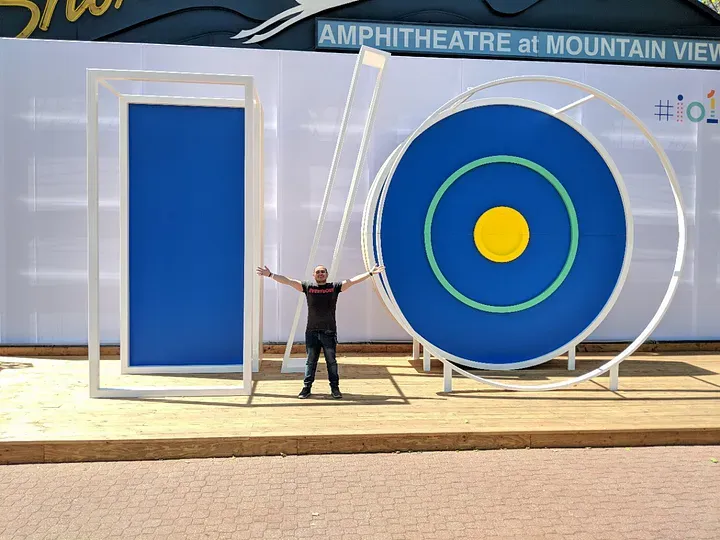
I’ve been watching Google I/O keynotes and sessions live every year since 2011, back when I was a Google fan and an Android enthusiast and not yet a developer. I/O has always been the most exciting tech and developer event for me, and attending it in person was a far-fetched dream of mine for years. This year, that dream became the most magical reality!
How It Started
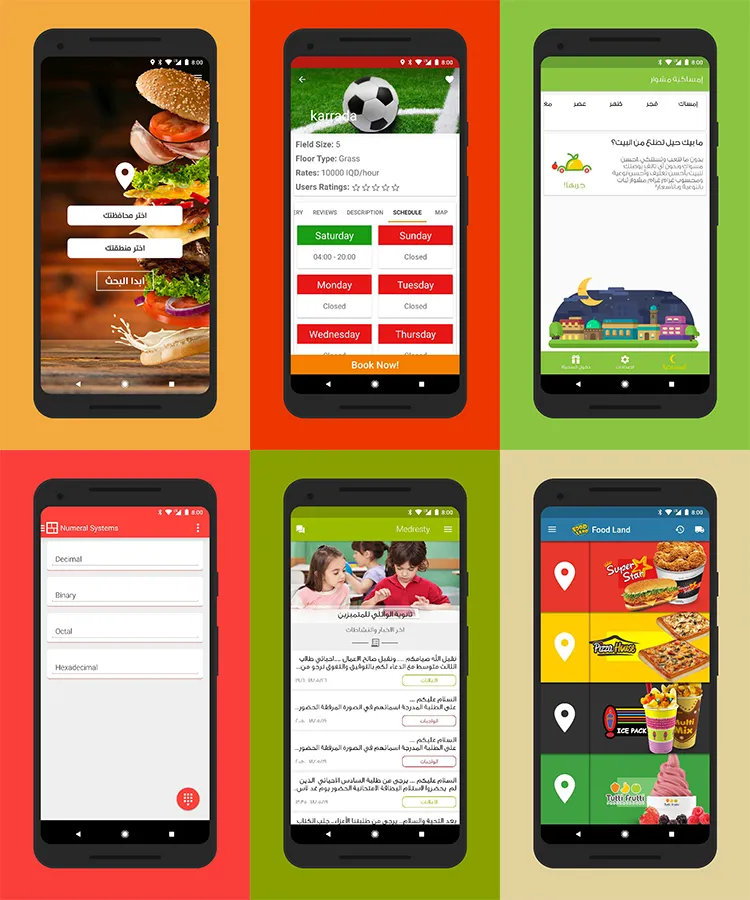
I’m an Android developer living in Baghdad, Iraq, and I’ve been building Android apps since 2014 for startups, SMBs, corporates, and government agencies. The two I’m most proud of are S Converter and Talabatey. S Converter was the first app I published to Google Play. It got popular on reddit for a while and was recognized as one of the best “Material Design” unit converters by XDA-Developers, although the only thing material about it by now is the FAB, since the app hasn’t been updated in almost four years. Talabatey is a local food delivery app, and it happens to be the most popular app in all of Iraq, with over 1.6 million downloads.
I’ve also been active in the community since 2014. As a core member at Fikra Space, I gave tens of free workshops on Java and Android development. I co-founded Code Lab, a software development bootcamp that empowers Iraqi developers to build high-quality software by teaching coding the right way, following best practices and using the right tools. And last year, when I learned about GDG (Google Developers Group), it only made sense to start a chapter in Baghdad. We did, and it became the fastest-growing GDG community in the MENA region, with almost 2,000 members on Meetup in less than a year.
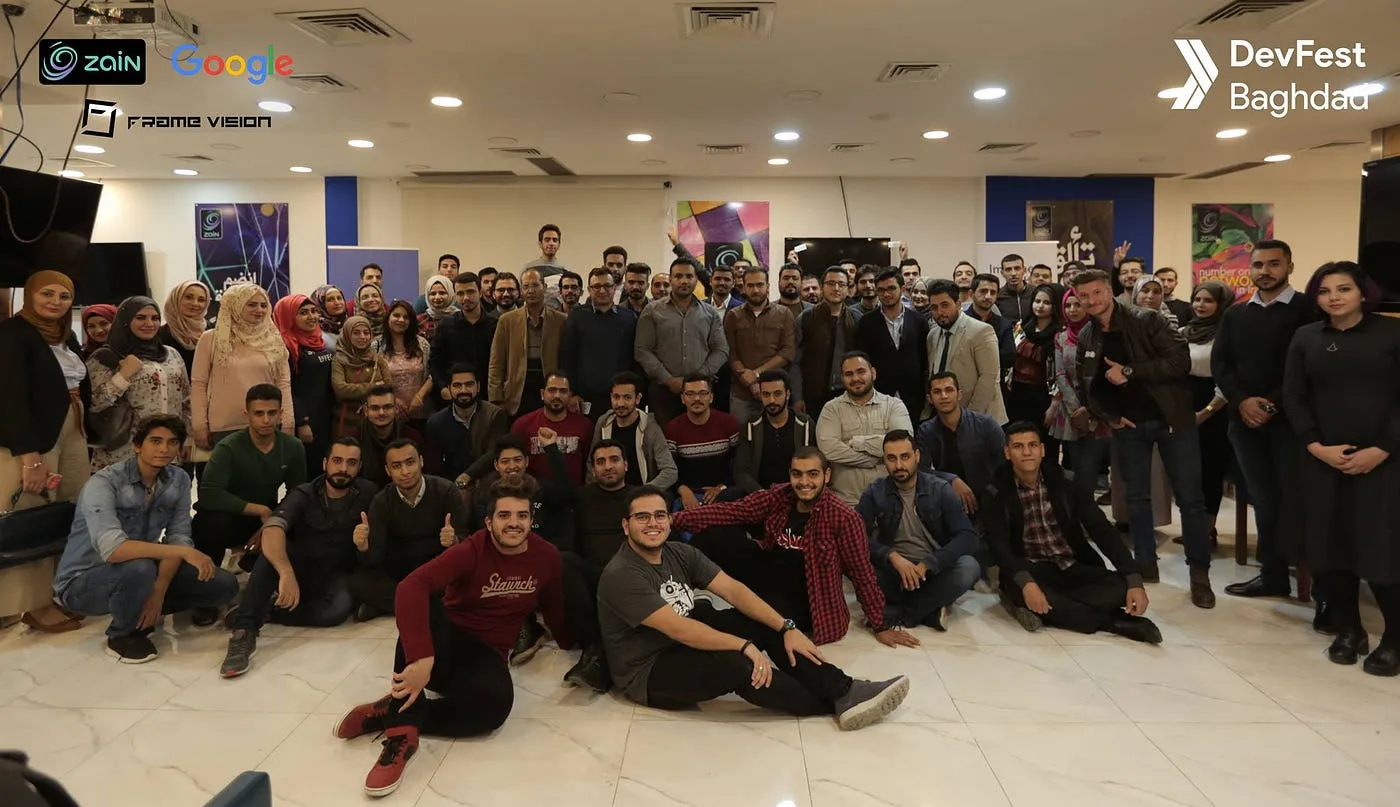
I later learned that some GDG organizers get invited to Google I/O. In March this year, it happened to me, and the excitement started!
The Journey
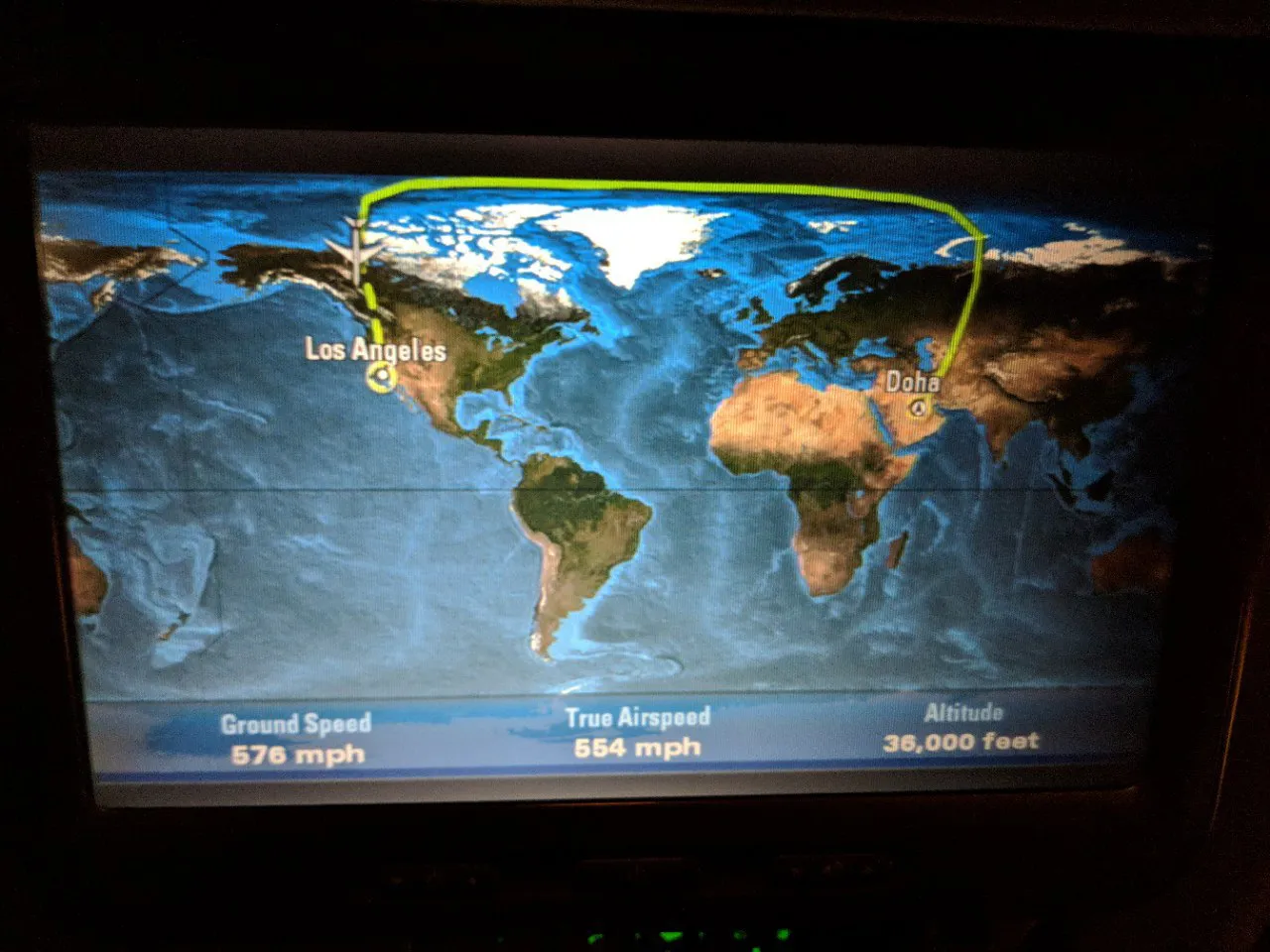
The journey was definitely not easy. Baghdad is over 12,000 km from California with no direct flights, so it took me 26 hours to get there (2 hours to Qatar, an 8-hour layover, then another 16 hours to California). But I already knew it was all worth it!
Enter Google I/O
The magic of I/O isn’t all the sessions and swag, it’s the people from all over the world who share your enthusiasm for Google and coding. That magic started the moment I stood in line for the keynote. I immediately met people from different countries, and we began guessing the announcements and what Google would push hardest this year. Admittedly, we also speculated about the swag (I called the Android Things kit!) 😃
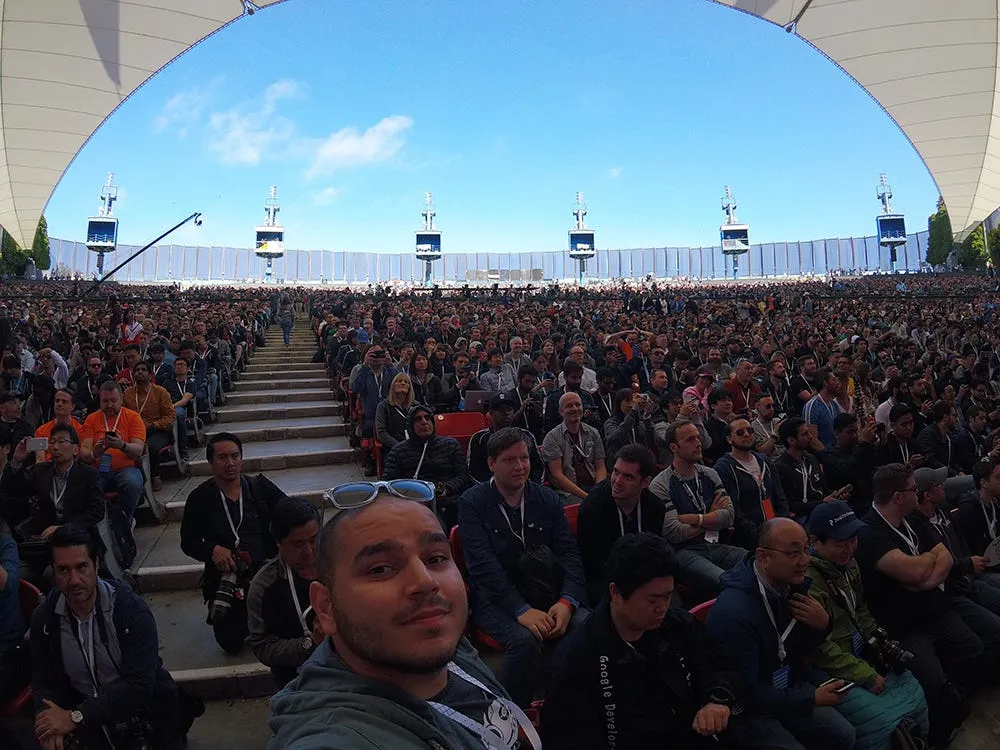
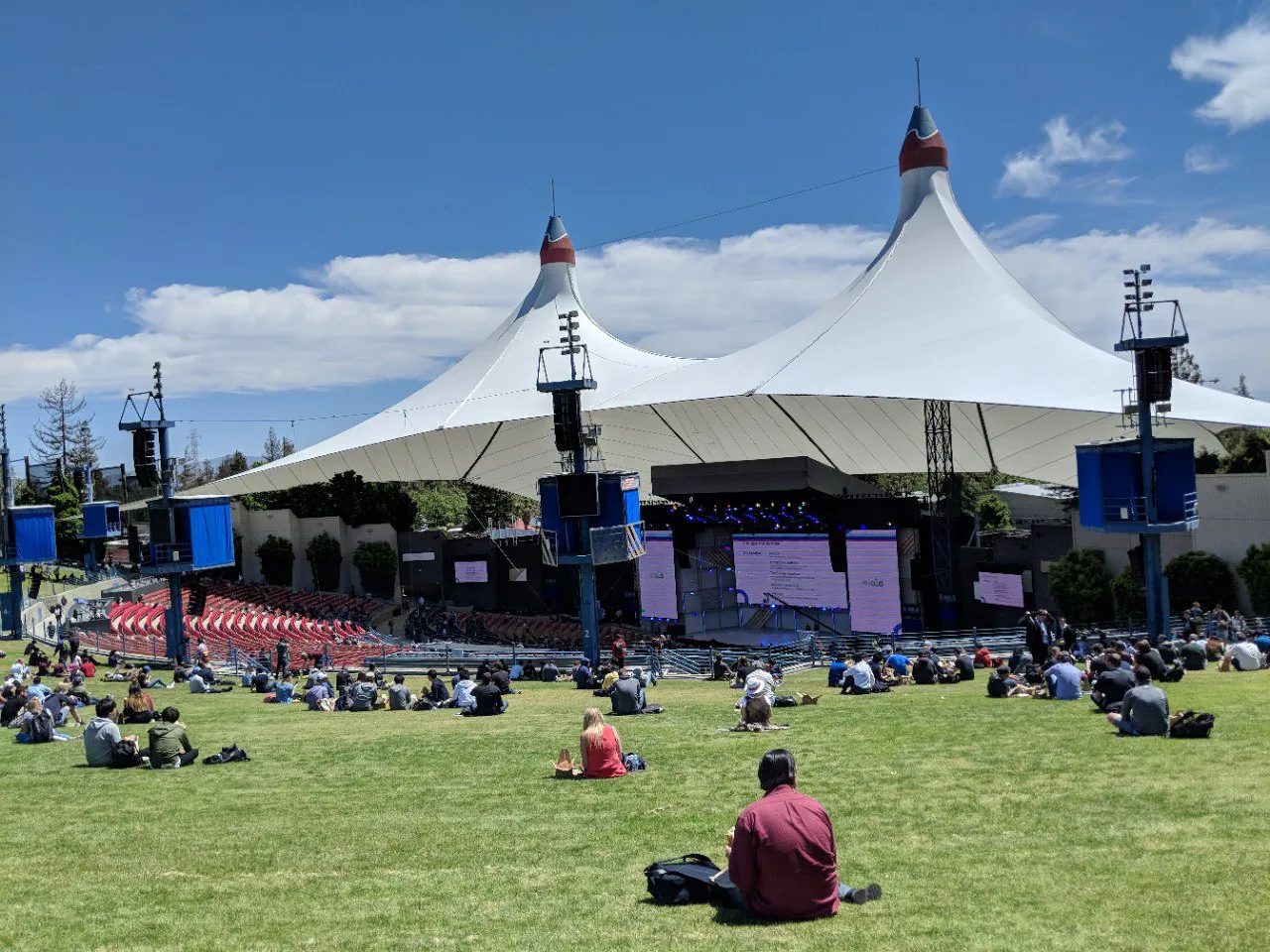
Seeing the Amphitheater from the inside was breathtaking, and I was early enough to get a seat close to the stage.
During the hour leading up to the keynote, they put on a couple of shows, including AI-powered music and a multiplayer plane race, which the green team I was in finished last three times in a row! 😂
And then the main event started, with Sundar on stage. Seeing him in person was amazing. Sundar has been an inspiration to me. He’s proof that even if you come from a country like India, or Iraq, you can still make it to the highest positions and the biggest stages.
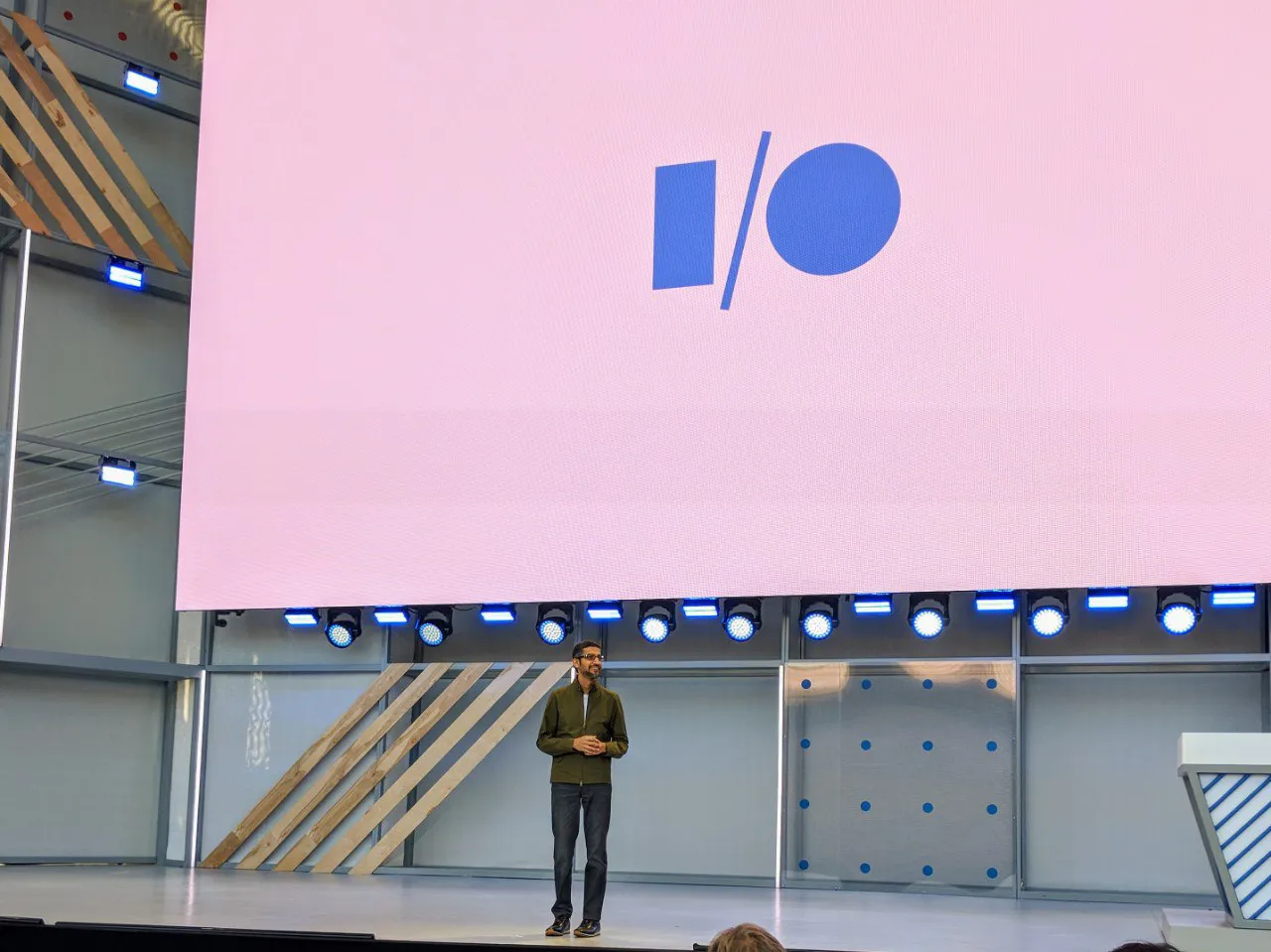
Here are the highlights of the announcements they made in the keynote.
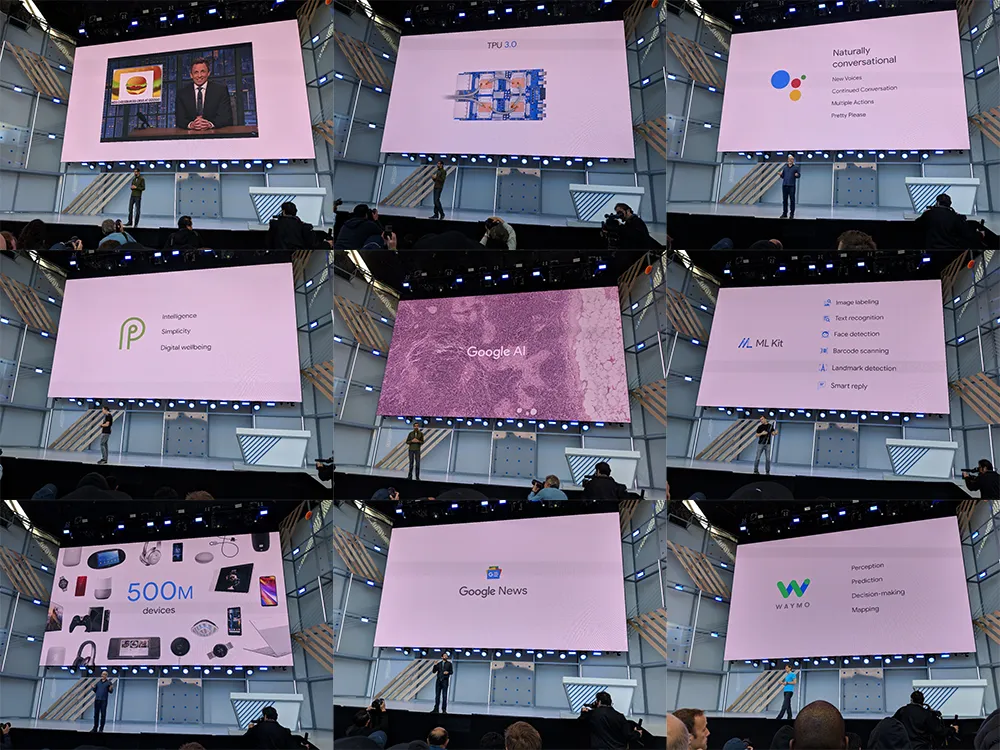
- The Android Oreo’s burger and beer emojis were fixed! 🍔🍺
- Google is continuing to prove to be heavily invested and the leader in AI and ML and is working on integrating it into many fields, most notably health care.
- AI optimized Tensor Processing Unit 3.0 announced, 8x more powerful than the previous generation.
- Google Assistant: more natural voice using AI, and introducing John Legend as one of the new voices, Google Assistant is available on over 500 million devices, with more focus on the visual aspect of the assistant, and teased the new Duplex feature which will allow Assistant to make natural phone calls to make reservations for you.
- Revamped version of Google News with more emphasis on bringing the news that is relevant to you, and aggregating different stories and timelines to give you the full picture, and providing the ability to users to support their favorite publishers by subscribing to their publishings.
- New features in Photos will popup appropriate actions to save you time.
- The new “Compose” feature in Gmail can write your emails for you.
- Android P focuses on Intelligence, Simplicity and well being and is available in beta for select devices (it requires flashing the ROM) available at www.android.com/beta.
- Maps will get a lot more personal by matching your preferences with the places’ ratings and giving you a match rate (think Tinder but for places)
- New augmented reality directions in Google Maps will make it easier to navigate.
- Waymo (Alphabet’s self-driving car company) is making advancement in that field and will be available to use in Phoenix Arizona via their app.
Then the keynote wrapped up, and the developer keynote followed with a lot of exciting announcements:
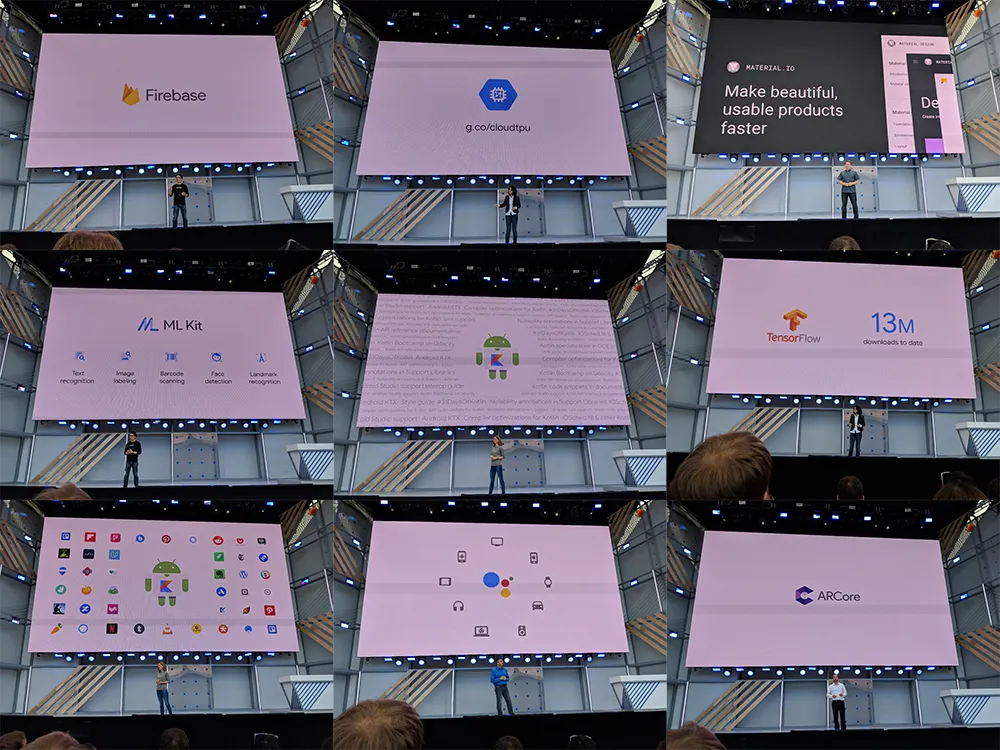
- Kotlin is now being used in 35% of production applications.
- App Bundles will dramatically reduce app install size by serving only the relevant resources to each phone depending on screen size, resolution, language… etc.
- Android Jetpack will provide an opinionated approach to architecting Android apps and developing new features like Navigation, Slices, and is built with a focus on Kotlin optimizations
- A host of improvements on Android studio focusing on speed.
- New tools to create better Assistant Actions.
- On the web side, there’s higher adoption for PWA across all major web browsers (including Edge and Safari!), Lighthouse 3.0, new features for AMP, and much more.
- TensorFlow is continuing to grow, at over 13 million downloads as of today.
- Firebase gets a lot smarter with ML Kit, giving a bunch of services like text and face recognition and much more, services like Analytics also receives an AI boost.
- AR Core 1.0 was released earlier, and there are a lot of apps that are taking advantage of it to create immersive experiences.
As for the sessions, I mostly attended Android-related ones, with some AI, web, Firebase, Material Design, and Flutter sessions in between. On the last day, I dedicated my time to the sandboxes and office hours, asking Googlers questions and having in-depth discussions about specific products and services, and to meetups in the community lounge. Knowing what I know now, I’d have spent more time in the sandboxes, office hours, and meetups, since the sessions are recorded and available on YouTube anyway. The one real advantage of being there in person is meeting the speakers right after and asking them questions.
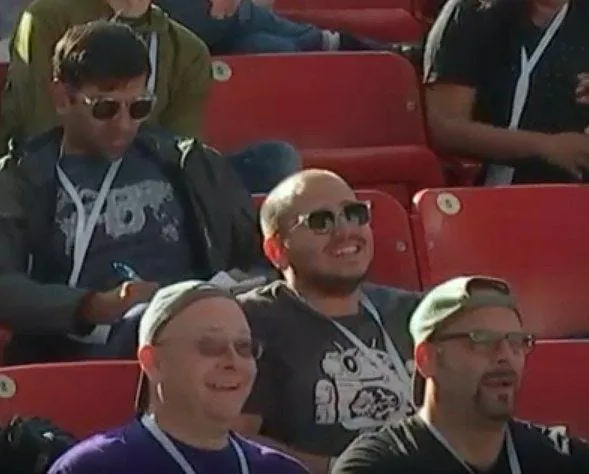
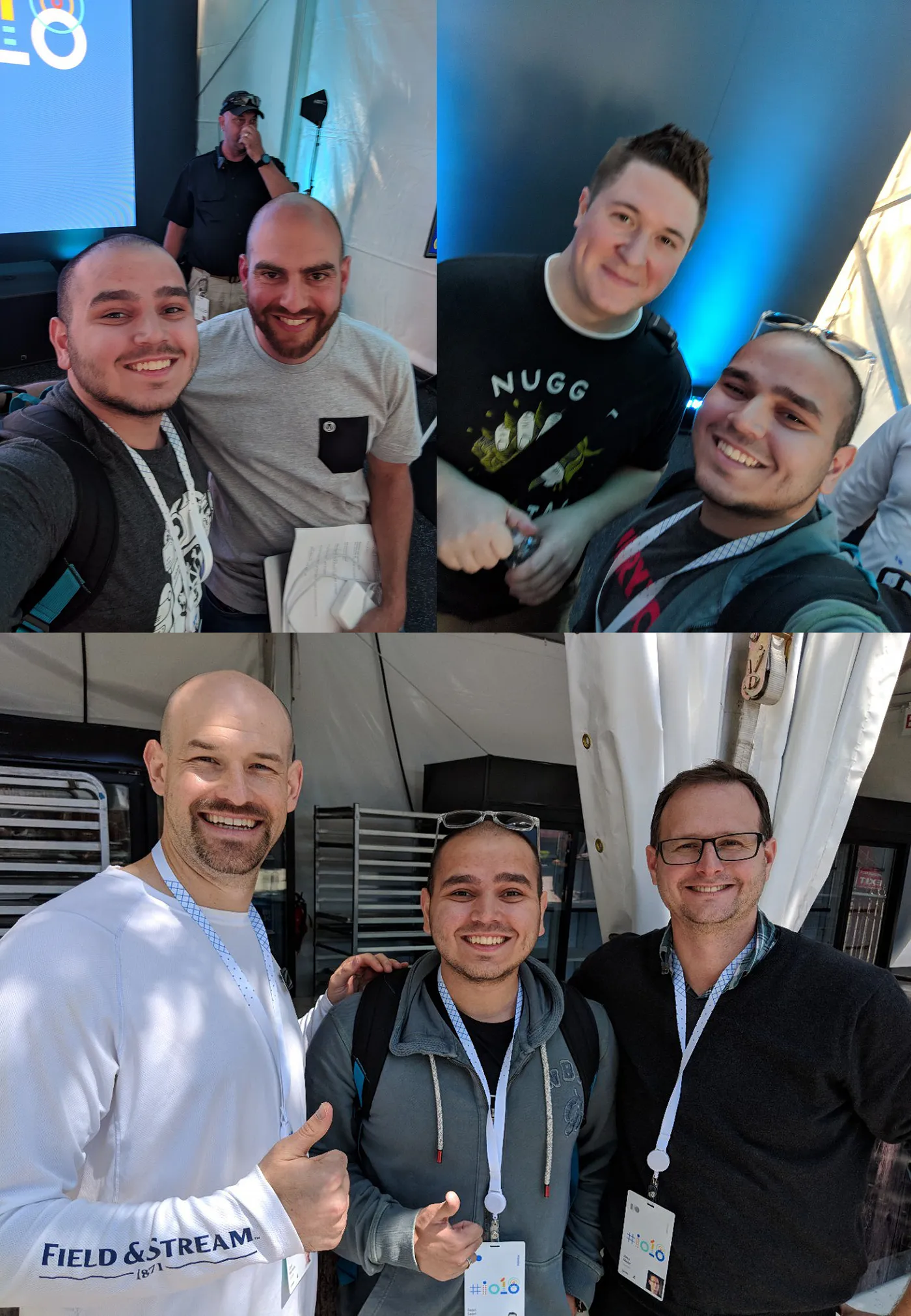
Some sessions are just too awesome to miss in person. The photo below shows how happy I was in Chet Haase and Romain Guy’s Modern Android Development session, and I also caught sessions from some of my favorite Googlers, like Nick Butcher, Reto Meier, and Jake Wharton (bonus: I got pictures with them!).
There’s Something Exciting Happening Everywhere
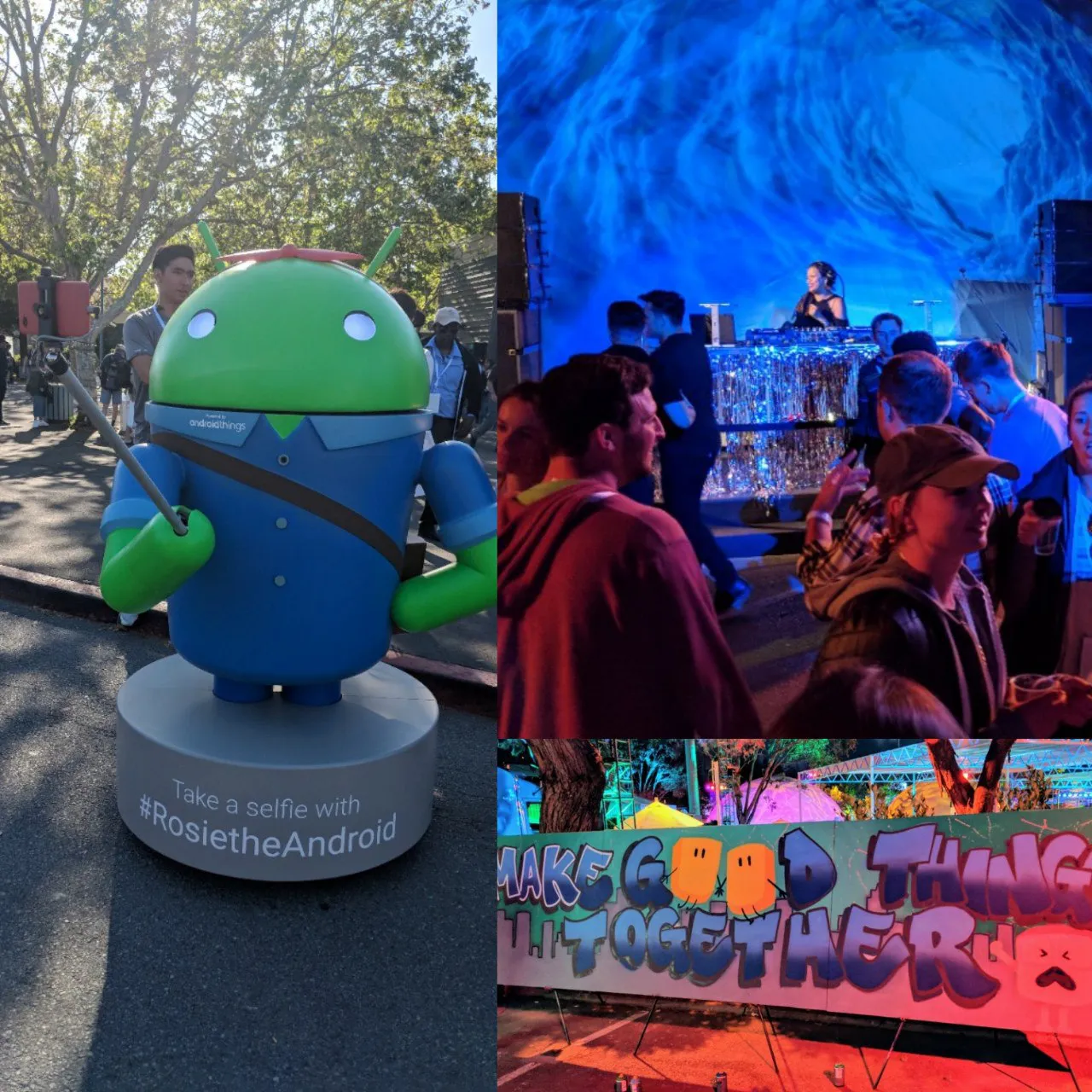
Wherever you go in the venue, there’s always something exciting happening (aside from the sessions, sandboxes, office hours, meetups, and code labs), like the selfie-taking Android, live graffiti drawing, DJs, intense ping-pong matches, and much more!
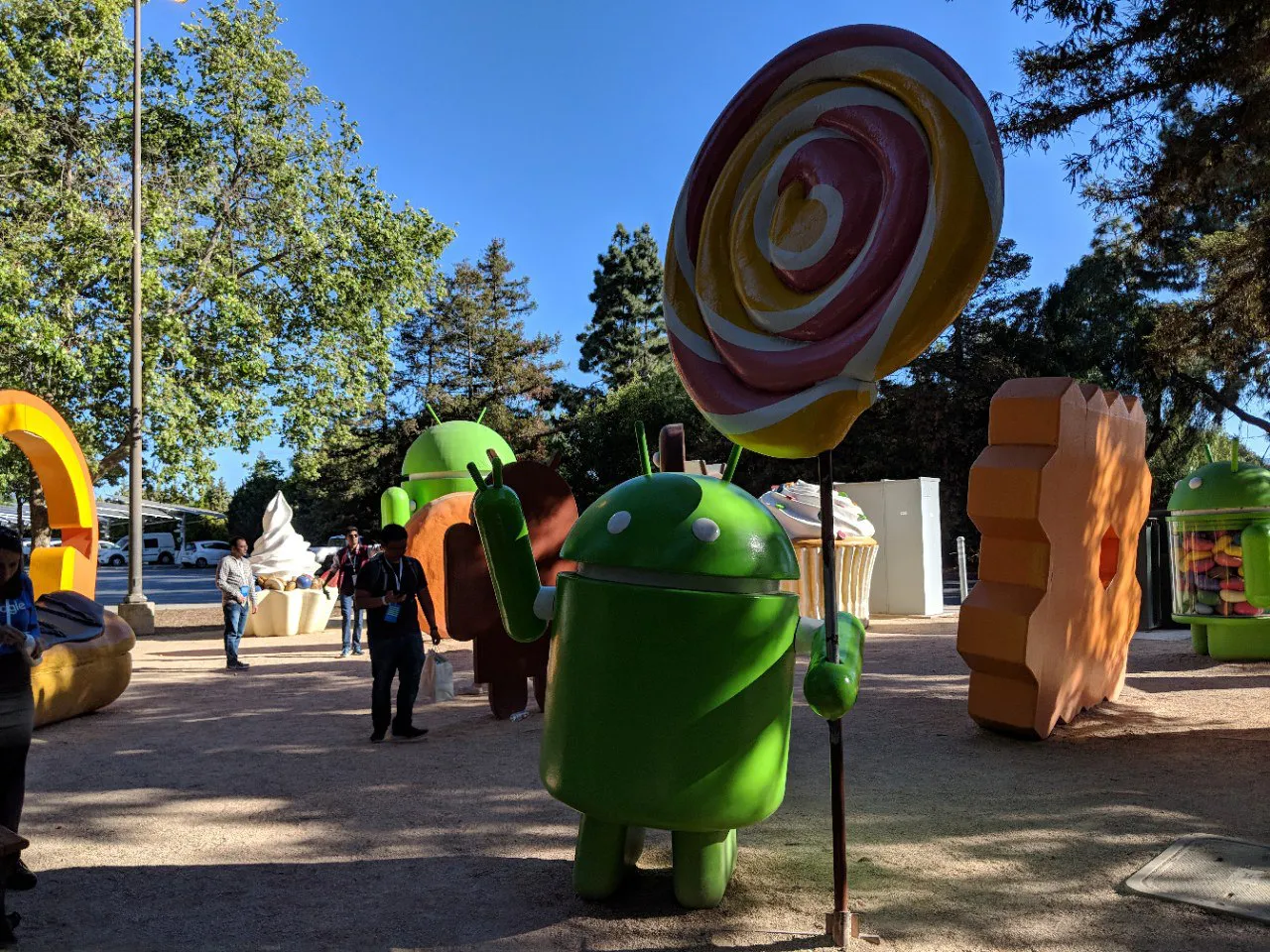
And you can visit the Googleplex (you won’t get inside though) and the Android Lawn Statues, a 15-minute walk from the venue.
Takeaways
Android development is getting much more organized with Jetpack, which introduces an opinionated approach to almost every aspect of it. And it was clear that Kotlin will become the primary programming language for Android while Java gets phased out gradually.
TensorFlow is evolving, and so is the hardware that runs it. It’s the enabler of many of the features we saw at I/O.
Material Design 2.0 will solve the problem of all apps looking the same, giving developers the flexibility to create different shapes and flows for the UI while still sticking to the guidelines.
Flutter is here to stay. It won’t be Google Reader’d or Angular’d any time soon. It looks very promising for the rapid development of relatively simple apps, and it’s well integrated with the new Material Design components.
Firebase is focusing on achieving planetary scalability with the new FireStore database and is adding ML Kit to enable easier Machine Learning and AI integration for mobile apps.
Conclusion
Google I/O is an amazing experience for growing, both personally and at the community level. Meeting Googlers and high-profile people from tech companies around the valley let me advocate for the developer community back home and the issues we face. One of those issues even got resolved, and now Iraqis can take the Android Associate Degree Exam, which wasn’t possible before, since Iraq was an embargoed country until a few years earlier.
Scratching Google I/O off my bucket list felt awesome. The experience fills you with inspiration and energy to keep creating great things and helping the community grow, and that’s exactly what I’m planning to do in the coming months!
Thank you Google for inspiring people from all around the world to build great things!
Update: We (GDG Baghdad) will be hosting I/O Extended in Baghdad for the first time ever, on June 29th. It’s sponsored by Zain Iraq, which has generously sponsored our past events. Follow our Facebook Page where we’ll be announcing more details very soon!